Kape vs Horiguchi: Flyweight Blitz Footwork Analysis
A June 20 UFC Fight Night training analysis on blitz entries, bounce rhythm, outside-foot position, and cage exits.
Titans Grip
MMA Coach, integrating striking, wrestling, and submission grappling
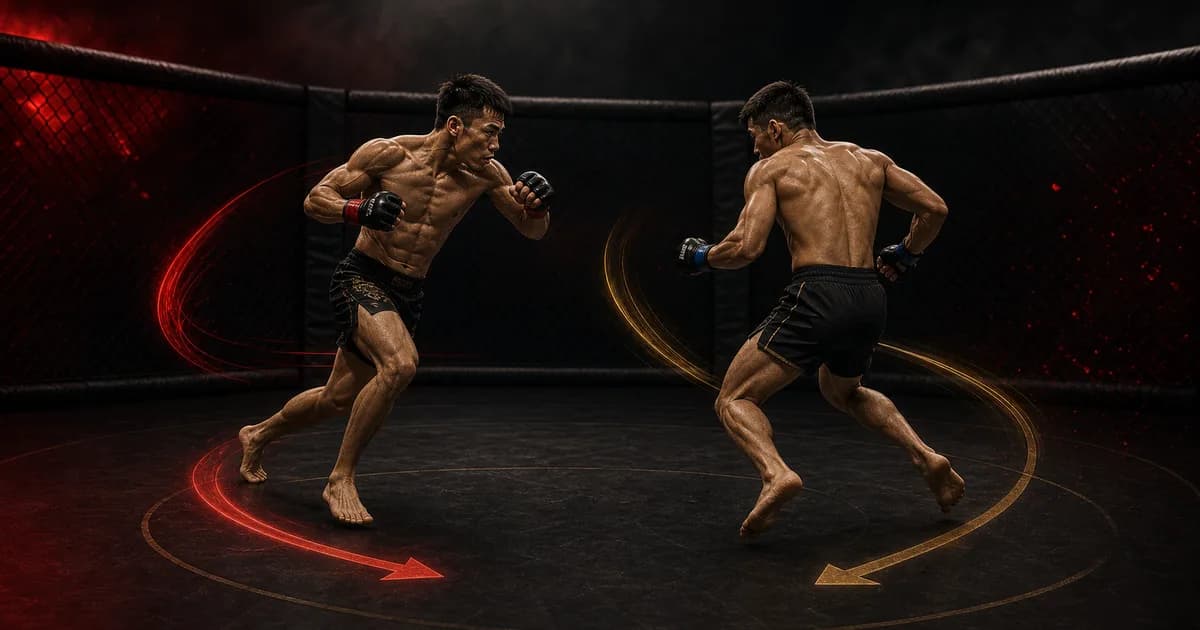
This is not a prediction post. It is a training-analysis brief built from an upcoming MMA card, so athletes can turn fight-week attention into better sparring, stance review, and cage decisions.
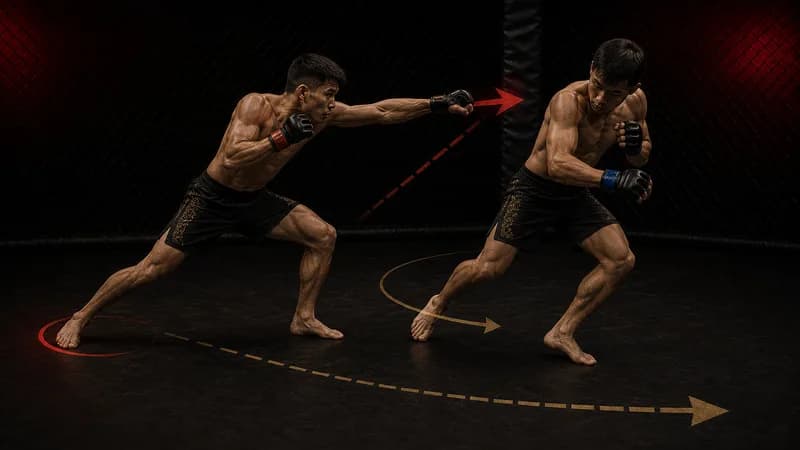
UFC Fight Night: Kape vs Horiguchi is scheduled for June 20, 2026. The useful Titans Grip question is not who wins. It is what a real athlete can study before sparring this week: Fast entries only work when the exit is already planned. Blitzing from range demands a stance that can hit, miss, pivot, and reset without giving the opponent a clean counter lane.
Key takeaways
- Blitzing is a footwork pattern before it is a punching pattern.
- The outside foot decides whether the exit exists.
- A fast entry without a fast reset becomes a counter invitation.
- Count the athlete's first step after the final punch.
Why this card matters now
Upcoming-card content works only when it teaches a transferable behavior. The useful angle is the repeatable decision: enter, exit, wrestle, frame, reset, or cut the cage.
For this article, the card creates a clean training prompt: watch the matchup as a decision tree, then film the same decision in your own rounds. The date matters because athletes are already paying attention; the analysis matters because attention without a drill does not improve anyone.
Training workflow
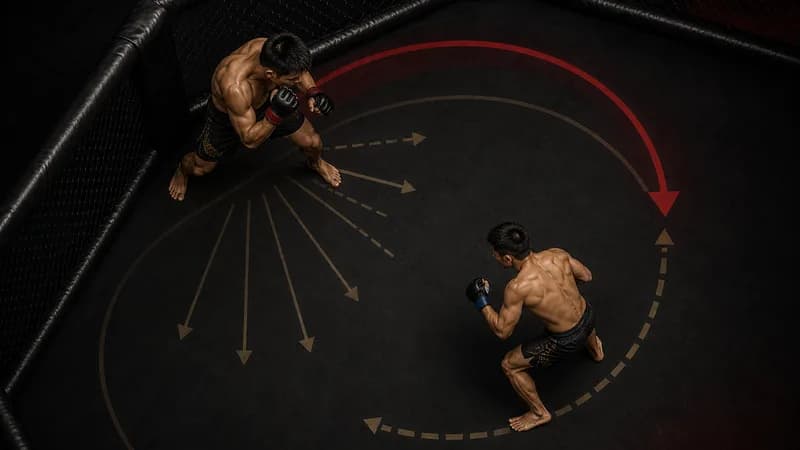
Film three rounds. Tag the first decision after every entry. If the entry breaks posture, slows the feet, or leaves the chin on center, the next drill is already written.
Run the drill in three passes. First pass: normal sparring, no coaching interruption. Second pass: isolate the entry or exit that failed. Third pass: repeat at lower speed until the stance stays intact. The goal is not to imitate a famous athlete. The goal is to identify the same decision under your own fatigue.
Common mistakes
The lazy mistake is copying the finish. The useful footage is usually two beats earlier: the stance switch, the hand fight, the cage angle, or the missed exit.
Do not turn the matchup into mythology. A pressure fighter still needs exits. A grappler still needs entries. A striker still needs frames. A fast athlete still needs feet under the hips when the exchange ends.
How Titans Grip athletes should use it
In Titans Grip, review the sequence by constraint instead of emotion: range, fence, underhook, counter window, or exit lane.
Tag the round with one label: entry, exit, fence, underhook, counter, or reset. If the same label appears three times in one round, that is the next micro-cycle.
Sources checked
Every external source linked below was checked for a live HTTP response before publishing.
Coach Rico
MMA specialist. Expert in striking, wrestling, submissions.
Coach Rico is the AI coaching persona behind MMA AI, built to provide personalized mma guidance through video analysis, training plans, and technique breakdowns.
Related Articles
Justin Gaethje vs Ilia Topuria: Complete UFC White House Fight Analysis, Training Lessons and AI Coaching Breakdown
Jun 16, 2026 · 23 min read
MMAAlex Pereira vs Ciryl Gane: UFC Fight Analysis 2026
Jun 15, 2026 · 11 min read
MMAUFC Freedom 250: The Science of Elite Fight Preparation — Training Methods, Biometrics, and AI Coaching
Jun 13, 2026 · 21 min read
Train MMA with AI
MMA AI gives you an AI coach that analyzes your technique, plans your training, and tracks your nutrition. Try it for free.