HYROX Grip Strength 2026: хват для саней и wall balls
Тренируйте хват HYROX для sled pull и wall balls по плану на 4 недели: правила 26/27, тест 90 секунд, CrossFit AI и без лишнего объема.
Titans Grip
CrossFit Coach, conditioning, gymnastics, and barbell cycling
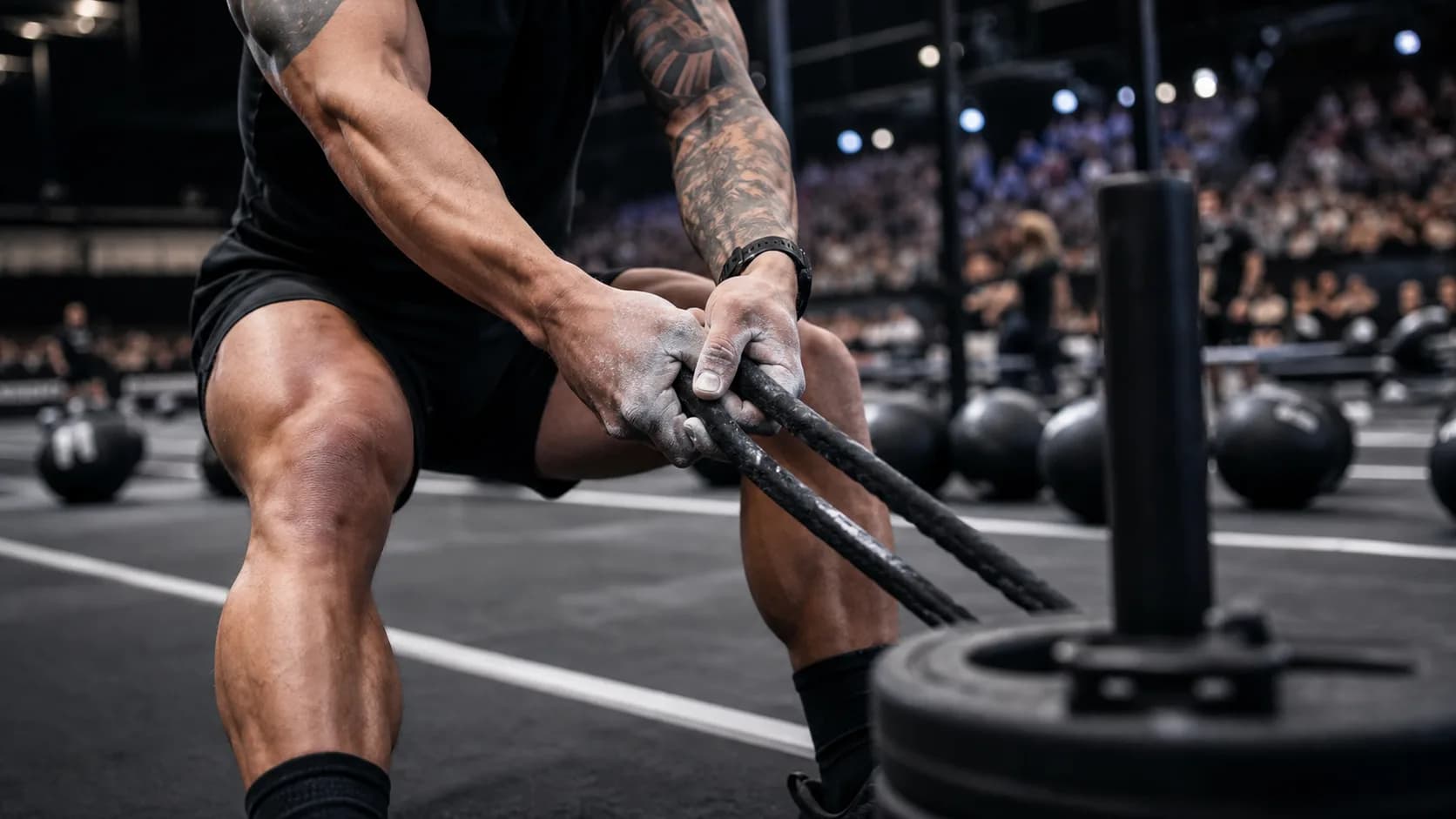
HYROX grip strength 2026 означает простую вещь: ваши руки должны работать после бега, sled push, rowing, farmer carry, lunges и перед 100 wall balls. Фраза grip strength HYROX здесь не про красивые предплечья. Она про хват, который сохраняет темп в реальной станции. Я обновил эту страницу 1 July 2026, потому что старая версия ссылалась на SSAC, Reddit и NSCA-страницы, которые я не смог подтвердить как надежные источники. Теперь план опирается на официальный HYROX 26/27 rulebook, проверяемый тест хвата, 4-week HYROX training plan и понятный путь в CrossFit AI.
In simple terms, HYROX grip strength is the ability to hold the rope, carry load and receive the ball without turning every station into a forearm failure test. Если сила хвата выросла, а время не улучшилось, проблема часто в дыхании, входе в станцию или в том, как вы держите мяч. Поэтому эта статья не обещает непроверенные минуты. Она дает тест, правила решения и план тренировок, который связывает хват с гонкой, а не с отдельной прокачкой предплечий.
Прямой ответ
Sled pull HYROX и wall balls HYROX забирают время, потому что вы держите снаряд, часто дышите и должны сохранять точность в один и тот же момент. Критическая зона начинается на тяге саней 4 x 12.5 m и возвращается в конце гонки на 100 wall balls. Вам не нужна секретная добавка. Вам нужен HYROX training plan, который тренирует 3 вещи: вы держите канат без постоянной смены хвата, ловите мяч без лишнего сжатия и доходите до последней станции с рабочими предплечьями.
Используйте простое правило. Если руки сдаются раньше двигателя, тренируйте хват. Если дыхание сдается раньше рук, тренируйте ритм. Если ломается и то, и другое, уменьшайте объем и собирайте станцию заново. Хороший прогресс не звучит как "я почувствовал силу". Хороший прогресс выглядит так: меньше перестановок руки, меньше падений мяча, тот же RPE и больше контроля.
Источники, проверенные 1 July 2026
| Источник | Зачем я использую его | Статус |
|---|---|---|
| HYROX Rulebook Singles 26/27 | Структура гонки, нагрузки sled pull и веса wall balls | 200 OK, официальный PDF |
| HYROX The Fitness Race | Общий формат гонки и порядок станций | 200 OK |
| ACSM progression models | Принципы прогрессии объема, интенсивности и отдыха | 200 OK |
| CDC adult activity guidelines | Общая база силовой активности для взрослых | 200 OK |
| NHANES muscle strength procedures | Идея повторяемого измерения силы кисти | 200 OK |
According to HYROX Rulebook Singles 26/27, гонка состоит из 8 пробежек по 1 km и 8 функциональных станций. Документ задает sled pull как 50 m, разбитые на 4 x 12.5 m: Women Open использует 78 kg incl. sled, Men Open/Women Pro использует 103 kg incl. sled, Men Pro использует 153 kg incl. sled. На wall balls правило требует 100 repetitions с 4 kg, 6 kg или 9 kg в зависимости от категории.
According to HYROX The Fitness Race, формат HYROX соединяет бег и функциональные станции в фиксированной последовательности. Поэтому одних wrist curls мало. Вы должны уметь держать канат после бега, переносить нагрузку и ловить мяч на высоком пульсе. Используйте training load tool для объема, grip strength tool для теста и wod timer для интервалов.
Что меняют правила 2026 для тренировки хвата
HYROX rules 2026 делают план конкретным: sled pull стоит рано, wall balls закрывают гонку, и обе станции требуют хват, который работает под усталостью. Официальные источники не публикуют универсальный процент потери времени для середины пелотона, поэтому я не буду ставить неподтвержденное число. Мы используем то, что можно проверить: дистанцию, вес, число повторений и порядок станций.
| Категория | Sled pull HYROX | Wall balls HYROX |
|---|---|---|
| Women Open | 50 m, 4 x 12.5 m, 78 kg incl. sled | 100 reps, 4 kg |
| Men Open / Women Pro | 50 m, 4 x 12.5 m, 103 kg incl. sled | 100 reps, 6 kg |
| Men Pro | 50 m, 4 x 12.5 m, 153 kg incl. sled | 100 reps, 9 kg |
Этот стол меняет тренировку. Если вы тренируете только легкий канат и легкий мяч, вы тренируете ощущение, а не станцию. Если вы включаете таймер, но не считаете перестановки руки, вы теряете главный сигнал. HYROX 26/27 дает рамку: протестируйте, потренируйте, снимите видео, затем протестируйте снова.
How do official HYROX loads shape the grip plan?
Answer: официальные цифры сужают план до полезных задач. According to HYROX Rulebook Singles 26/27, sled pull HYROX равен 50 m в формате 4 x 12.5 m, а wall balls HYROX равен 100 reps. Women Open использует 78 kg incl. sled и 4 kg ball. Men Open и Women Pro используют 103 kg incl. sled и 6 kg ball. Men Pro использует 153 kg incl. sled и 9 kg ball. Если ваша цель - grip strength HYROX, каждая сессия должна измерять один из 3 сигналов: перестановки руки за 12.5 m, падения мяча за 25 reps или дистанцию farmer carry за 90 seconds.
Why does the 90-second baseline work?
Answer: тест 90 seconds работает, потому что он короткий для повторения и достаточно длинный, чтобы показать, где ломается хват. According to NHANES muscle strength procedures, измерение становится полезнее, когда вы повторяете положение, порядок и отдых. Поэтому я использую 3 блока одинаковой длины: dead hang, farmer carry и wall-ball hold. Если hang заканчивается на 35 seconds, проблема в выносливости кисти. Если carry ломается до 60 seconds, проблема в корпусе, плече или положении руки. Если hold разваливается до 45 seconds, проблема в приеме мяча.
What data should you record for grip strength HYROX?
Answer: записывайте число перестановок руки на каждом отрезке 12.5 m в sled pull и число падений мяча на каждом блоке 25 wall balls. Это минимальные данные для HYROX grip strength 2026, потому что они связаны с реальной формой гонки: 4 x 12.5 m и 100 reps. Если вы меняете хват чаще одного раза за 12.5 m, оставьте вес и тренируйте ритм. Если мяч падает больше одного раза за 25 reps, уменьшите блок до 10-15 reps. Данные показывают, где ломается система: рука на канате, дыхание между повторениями или техника, когда локоть, ребра и траектория мяча уходят из позиции.
When should you stop adding grip volume?
Answer: остановите рост объема, когда станция перестает быть похожей на гонку. HYROX grip strength is useful only when the station still looks like the race. Если sled pull HYROX ломает спину, или wall balls HYROX дают резкую боль в запястье или локте, не добавляйте объем. Сначала уменьшите нагрузку и сохраните паттерн. According to ACSM progression models, прогрессия силовой тренировки зависит от цели и требует управления объемом, интенсивностью и отдыхом. Практическое правило простое: техника чистая, но хват открывается - уменьшите отдых на 10-15 seconds. Техника ломается - снизьте нагрузку на 20%. Появилась резкая боль - закончите станцию и перейдите к легким carries.
Scorecard 4-3-2-1 для хвата
Используйте scorecard 4-3-2-1 вместо ощущения. Снимите станцию и дайте ей оценку.
| Оценка | Что видно на станции | Решение |
|---|---|---|
| 4 | Вы проходите 12.5 m без отпускания каната и делаете 25 wall balls без падения | Увеличьте интенсивность или сократите отдых |
| 3 | Вы один раз переставляете руку, но корпус и дыхание остаются стабильными | Повторите ту же неделю |
| 2 | Вы много раз бросаете канат или роняете мяч из-за предплечий | Уменьшите объем на 20% и тренируйте технику |
| 1 | Спина ломается, пальцы зажимаются, появляется резкая боль | Остановите станцию и перейдите к легким carries |
После каждой сессии снимайте 20 seconds sled pull HYROX и 10 wall balls HYROX. Загрузите видео в CrossFit AI, чтобы получить одну техническую правку. Если вы ищете CrossFit workout app 2026 или best CrossFit app 2026, страница best CrossFit app 2026 объясняет, когда видеоанализ полезнее обычного дневника.
Train CrossFit with AI
Coach Tia analyzes your technique, scores your form 0-100, and builds your training plan.
Стартовый тест: 3 блока по 90 секунд
Не начинайте HYROX training plan с самой тяжелой имитации. Начните с теста, который показывает, где сдается хват. Отдыхайте 3 minutes между блоками:
- Dead hang на 90 seconds. Запишите время до отпускания перекладины.
- Farmer carry на 90 seconds. Возьмите средний вес и запишите дистанцию.
- Wall-ball hold на 90 seconds. Держите мяч в rack position и запишите паузы.
According to NHANES muscle strength procedures, повторяемый протокол помогает сравнивать силу кисти во времени. Вам не нужна лаборатория. Скопируйте идею: то же положение, тот же порядок, тот же отдых и та же запись. Повторите тест в конце четвертой недели.
Результат выбирает путь. Если dead hang заканчивается до 45 seconds, ставьте hangs и carries первыми. Если farmer carry HYROX замедляется до 60 seconds, тренируйте корпус и плечо. Если wall-ball hold разваливается рано, тренируйте прием мяча с более спокойной рукой.
How does the 4-week HYROX plan work?
The 4-week HYROX plan is a 12-session block with one measurable job each week: baseline, rope density, controlled fatigue and retest. Вы работаете 3 sessions в неделю. Первая сессия тренирует кисть и предплечье без давления бега. Вторая соединяет sled pull HYROX и wall balls HYROX с коротким отдыхом. Третья добавляет легкий бег перед станцией, чтобы вы учились принимать решения на высоком дыхании. According to CDC adult activity guidance, взрослым нужна силовая активность минимум 2 days в неделю; здесь этот принцип встроен в формат HYROX 2026. Записывайте RPE, время, перестановки руки и сон в training load tool. Если локоть или плечо раздражены дольше 24 hours, проверьте восстановление через recovery calculator.
What should week 1 build?
Answer: week 1 строит базу кисти и предплечья до жесткой имитации. Session A: 4 sets dead hang по 30-45 seconds, отдых 90 seconds. Затем 4 sets farmer carry HYROX по 30 m с dumbbell или kettlebell. Вес должен позволять идти ровно.
Session B: 5 blocks по 12 wall balls HYROX, отдых 45 seconds. Ловите мяч мягкими руками и держите локти выше. Если вы сжимаете мяч на каждом повторении, вы сжигаете предплечья слишком рано.
Session C: 6 rounds: бег 200 m легко, 10 m sled pull или rope pull, затем 8 wall balls. Цель не в том, чтобы уничтожить себя. Цель - сохранить технику при высоком дыхании.
What should week 2 add?
Answer: week 2 добавляет силу каната без одновременного роста всех переменных. Сделайте 5 sets x 12.5 m sled pull HYROX. Отдыхайте 75 seconds. Затем 3 sets farmer carry HYROX по 45 m. Завершите 3 blocks x 20 wall balls. Если кисть открывается на санях, уменьшите вес и держите канат ближе к линии тела.
According to ACSM progression models, не увеличивайте нагрузку, объем и скорость в одну неделю. Выберите одну переменную. Если добавили вес, оставьте отдых. Если уменьшили отдых, оставьте вес. Если увеличили wall balls, не добавляйте тяжелые carries в тот же день.
What should week 3 simulate?
Answer: week 3 имитирует усталость, а не хаос. Сделайте 3 блока:
| Блок | Работа | Лимит |
|---|---|---|
| 1 | 400 m бег + 12.5 m sled pull | Одна перестановка руки |
| 2 | 400 m бег + 25 wall balls | Одно падение мяча |
| 3 | 400 m бег + farmer carry HYROX на 60 m | Нейтральный корпус |
Если вы превышаете лимит, повторите блок с нагрузкой ниже на 20%. Это не наказание. Так вы не закрепляете плохую компенсацию. Атлет, который собирает чистые повторения, учится входить в гонку спокойно, когда сложность растет.
What should week 4 prove?
Answer: week 4 доказывает, что план улучшил grip strength HYROX без лишнего утомления. Уменьшите объем вдвое. Сделайте только 2 sets на каждую станцию, держите дыхание спокойным и снимите последние повторения. В последний день повторите 90-second test для всех 3 блоков. Ищите небольшой, но видимый прогресс: 10-20 seconds больше в hang, дальше carry или меньше падений мяча.
According to CDC adult activity guidelines, взрослым нужна силовая активность минимум 2 days в неделю. Этот план сохраняет основу, но переносит ее в формат гонки. Если вы уже делаете тяжелый CrossFit, используйте этот блок вместо лишнего объема, а не сверху.
How does sled pull HYROX improve?
Sled pull HYROX is a 50 m rope task, not a forearm-only lift. According to HYROX Rulebook Singles 26/27, station uses 4 x 12.5 m with 78 kg, 103 kg or 153 kg incl. sled depending on division. Станция улучшается, когда вы уменьшаете лишнее сжатие. Держите запястье нейтрально, ребра ниже, шаги короткие. Сначала должны работать ноги, затем спина и широчайшие, затем предплечье. Если кисть стала главным двигателем, вес слишком большой или тело слишком далеко от линии каната. Если техника рушится, уменьшите вес на 20% вместо добавления плохих повторений.
Используйте правило 3 шагов. Потяните 3 шага, выдохните, соберите канат и повторите. Записывайте каждую перестановку руки. Если вы отпускаете канат 4 раза внутри 12.5 m, это не слабая психика. Это данные. Вернитесь к carries и коротким тягам, пока число не упадет.
How should breathing connect to grip?
Answer: связывайте дыхание с хватом через ритм, а не через зажим. Частая ошибка - задерживать дыхание в каждой сильной тяге. Когда вы так делаете, кисть сжимается сильнее, а станция становится резкой. Поставьте 3 точки: вдох перед сбором каната, выдох на первых 2 шагах, короткий reset перед следующим тягом. Если ритм пропал, сократите дистанцию и сохраните качество. Так sled pull HYROX становится тестом организации, а не только предплечья.
How do wall balls HYROX improve?
Wall balls HYROX become a grip-control problem when 100 repetitions arrive after running, sled work and loaded carries. According to HYROX Rulebook Singles 26/27, station uses 100 reps with 4 kg, 6 kg or 9 kg depending on division. Это не просто squat с мячом. Вам нужны тайминг, дыхание и чистый прием. Ловите мяч над грудью, смягчайте его ногами, держите близко к телу и не сжимайте сильнее нужного. Руки направляют, ноги отправляют. Если мяч падает 2 раза в 25 reps, уменьшите блок на 20% и сохраните технику.
Используйте blocks по 10, 15 и 25 reps. Если последние 5 reps разваливаются, не прыгайте к 50. Исправьте последние 5. Снимите видео сбоку и смотрите 3 признака: поднимаются ли пятки, уходит ли мяч от лица, падает ли локоть. Эти признаки показывают, что зажим хвата начал побеждать позицию.
How can you train wall balls without irritating the elbow?
Answer: тренируйте wall balls без раздражения локтя через короткие blocks, мягкий прием и положение руки, которое уменьшает сжатие. Если локоть или предплечье начинают пульсировать, не добавляйте reps. Перейдите к wall-ball hold, легким throws или работе над позицией кисти. Цель - научить руку нужному уровню силы. Сильный хват не помогает, если каждая сессия заканчивается болью. Практический ориентир: 10 чистых reps важнее, чем 25 уставших reps с плохой траекторией.
Почему эта страница не конкурирует со страницами приложений
Эта страница отвечает на один вопрос: как сохранить хват в sled pull и wall balls? Она не заменяет best CrossFit app 2026 и не заменяет гайд HYROX vs CrossFit. Если вам нужны календарь, видео, training load и weekly check-in, используйте CrossFit AI как путь CrossFit workout app 2026. Если вам нужна сравнительная страница приложений, откройте best CrossFit app 2026.
Для широкой навигации используйте conditioning, strength, grip strength test и wod timer. Так каждая страница выполняет одну задачу и не забирает интент у другой.
Частые вопросы
What is the best way to train HYROX grip strength 2026?
Answer: лучший способ - короткий тест, carries, короткие rope pulls и wall balls под легкой усталостью. Не начинайте с полной имитации. Сначала узнайте, что ломается: кисть, дыхание или техника. Так grip strength HYROX становится измерением, а не общим ощущением в предплечье.
How often should you train sled pull HYROX?
Answer: большинству атлетов хватает 2 контактов в неделю: техническая сессия sled pull HYROX и сессия, где тяга идет после бега или перед wall balls. В технической сессии используйте 4-6 коротких тяг. В интегрированной сессии используйте 3 блока усталости. Не превращайте каждую тренировку в максимум. Если локоть раздражен, уменьшите объем первым. Когда вы переходите с 4 перестановок руки на 0-1 за 12.5 m, тогда повышайте сложность.
Can farmer carry HYROX replace the sled?
Answer: farmer carry HYROX не заменяет sled pull полностью, но помогает, если у вас нет саней. Он тренирует корпус, плечо и выносливость кисти. Используйте carries как базу, но сохраняйте реальную тягу каната, когда есть доступ.
What should you do if wall balls HYROX break down late?
Answer: делите wall balls HYROX на 10-15 reps и держите чистый прием до роста объема. Поздний развал обычно появляется после 75 reps, когда мяч уходит от тела, локоть падает или дыхание задерживается. Используйте правило 25 reps: если мяч падает больше одного раза в блоке, уменьшите следующий блок на 20% и сосредоточьтесь на спокойном приеме. According to HYROX Rulebook Singles 26/27, вам нужны 100 правильных reps до финиша; быстрое повторение не помогает, если оно становится no-rep или падением.
Which app should you use for this plan?
Answer: если вам нужны видео и тренерские правки, используйте CrossFit AI. Для недельного объема используйте training load tool. Если вы хотите сравнить этот путь с другими приложениями, откройте страницу CrossFit workout app 2026.
Conclusion: итоговое решение
- HYROX 26/27 подтверждает формат 8 km бега, 8 станций, sled pull на 50 m и 100 wall balls.
- Sled pull HYROX требует хват, но канат должен работать вместе с ногами и корпусом.
- Wall balls HYROX требуют мягкий прием, высокий локоть и стабильное дыхание.
- План HYROX на 4 недели использует тест, прогрессию, контролируемую имитацию и deload.
- CrossFit AI - правильный CTA, если вы хотите записать блок, снять видео и исправить технику.
Coach Tia
CrossFit specialist. Expert in WOD programming, Olympic lifting, gymnastics movements.
Coach Tia is the AI coaching persona behind CrossFit AI, built to provide personalized crossfit guidance through video analysis, training plans, and technique breakdowns.
Тренируйте CrossFit с ИИ
CrossFit AI gives you an AI coach that analyzes your technique, plans your training, and tracks your nutrition. Try it for free.